
The first instinct when a truck dies on the shoulder is to reach for the tow number. It’s the older habit, the one that predates the mobile diesel tech showing up in a wrapped van with a full diagnostic kit and a stocked parts bin. But that instinct is wrong more often than it’s right. A large share of what actually strands a Class 8 truck, a battery, an alternator, a blown DOT tire, a leaking hose, a fault code that just needs to be cleared, is exactly the kind of job a mobile mechanic can close out on the shoulder in under two hours. Calling for a flatbed anyway just adds a tow bill on top of the repair bill you were going to pay either way.
Get seen before you get fixed
Before any decision about mobile repair versus towing, there’s a decision that actually matters more: whether you’re visible. Every year, large trucks are involved in roughly 163,000 crashes reported through FMCSA’s crash data system, and a disabled vehicle on the shoulder is a disproportionate contributor to secondary collisions. Triangles out at 10, 100, and 100 feet behind the truck (federal placement rules, not a suggestion), hazards on, and if you can get the unit fully onto the shoulder or an exit ramp rather than half in a lane, do it before you touch a phone.

Only once you’re not about to get hit does the actual repair-versus-tow question start.
What’s actually stopping you on the shoulder
The uncomfortable truth for the tow-truck reflex is that most breakdowns aren’t dramatic. Fleet Maintenance’s 2026 service-strategy analysis puts it plainly: mobile providers are the right call for “PMs, DOT and routine inspections, lubrication, tire and brake service, battery replacement, [and] most emergency roadside breakdowns,” while a mobile tech has no business trying to pull an engine in a parking lot. That’s the real dividing line, not convenience, but scope.
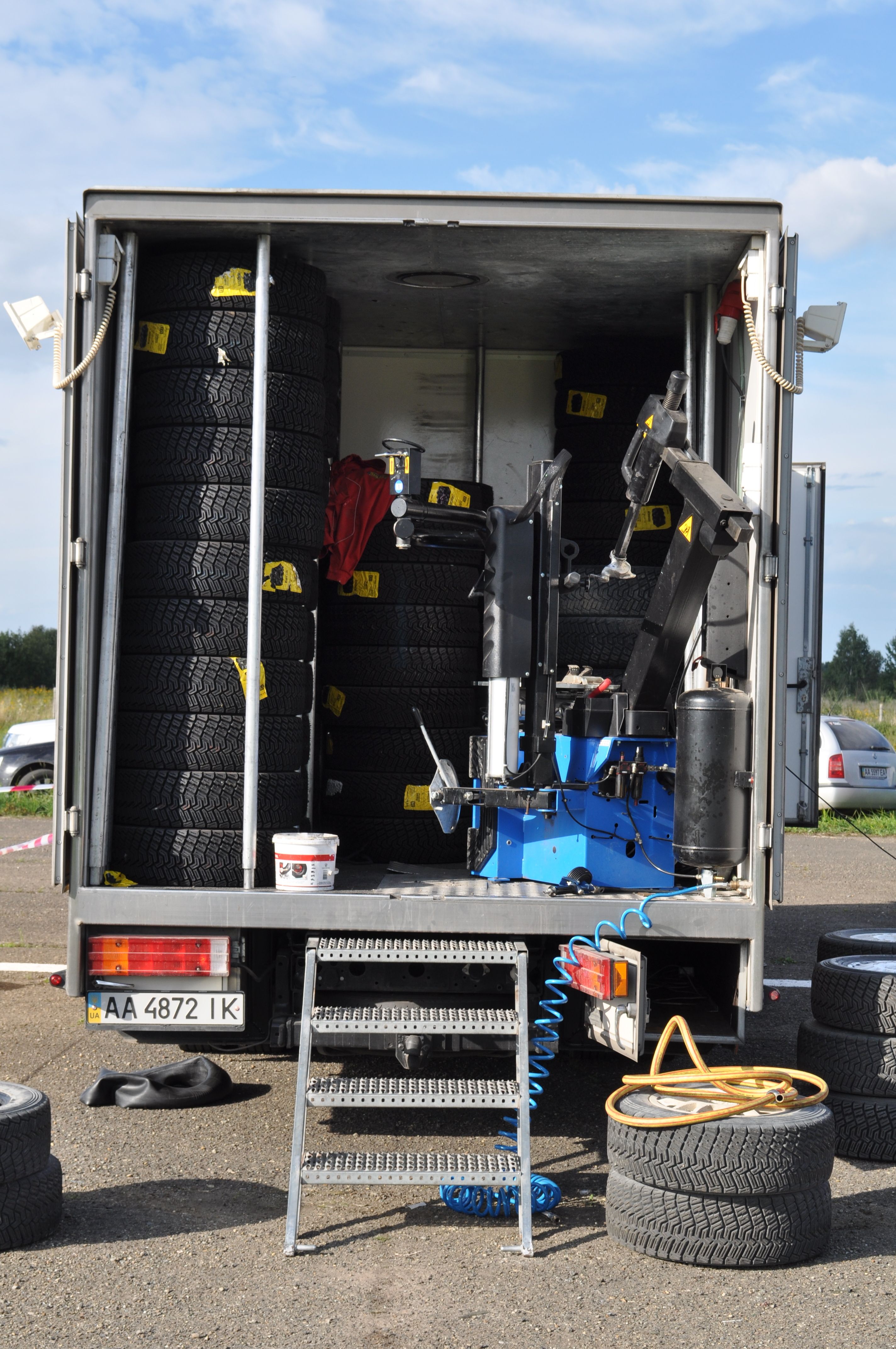
Industry estimates gathered by Heavy Duty Journal put the share of commercial vehicle problems a mobile technician can resolve on-site at 80 to 90 percent. That number should reframe how most drivers think about the decision. If nine breakdowns out of ten don’t actually require a shop bay, then towing-by-default isn’t a safe choice, it’s a wasted step for most of the trucks it gets applied to.
The tow-truck habit costs more than the tow
Here’s where I’ll push back on the assumption that mobile service is the “expensive” option. It carries a higher hourly rate, that part is true and worth being honest about. Fullbay’s 2026 State of Heavy-Duty Repair report puts the median mobile labor rate at $160 an hour against $145 for in-shop work, and Heavy Duty Trucking’s coverage of the same data pegs the mobile premium at roughly 7.6 percent above shop rates. But that’s the number people stop reading at, and it’s the wrong number to stop at.
A tow adds its own bill before a single bolt gets turned. Base hookup fees for heavy-duty tows generally run $150 to $600, with a per-mile rate of $4 to $15 stacked on top once the truck starts moving, according to 2026 towing-rate surveys compiled by Renegade Insurance. A modest 50-mile tow of a loaded semi can clear $600 to $1,000 on the tow invoice alone, before the shop even opens the hood. Add the fact that ATRI’s most recent operational cost analysis put the average cost of running a truck at a record $2.336 per mile in 2025, with repair and maintenance costs alone up 8.6 percent year over year, and every hour a truck sits idle is burning fixed cost with zero revenue against it.

| Factor | Mobile Repair | Tow + Shop Repair |
|---|---|---|
| Typical response time | 60–90 minutes | Hours (tow dispatch, drive to shop, queue) |
| Repair scope | ~80–90% of common roadside failures: tires, batteries, alternators, brakes, hoses, minor electrical | 100%, including major engine and transmission overhauls |
| Median labor rate (2025) | ~$160/hour | ~$145–149/hour, plus the tow bill on top |
| Direct incident cost | Often a few hundred dollars for a straightforward fix | $500–$3,000+ for towing alone before shop labor and parts |
| Downtime while stuck | Truck stays roughly where it stopped; hours, not days | Average unplanned event runs 2.3–2.4 days before the truck is back on route |
Sources: Fullbay 2026 State of Heavy-Duty Repair (labor rates); Renegade Insurance 2026 towing cost guide; ATRI 2026 Analysis of the Operational Costs of Trucking; OTR Performance fleet breakdown data as cited by OxMaint’s 2026 fleet cost analysis.
So which would you rather deal with: a $160-an-hour mobile tech who has you rolling again in ninety minutes, or a flat tow rate that gets you into a shop’s queue by dinnertime, with the actual repair invoice arriving on top of it a day later? Framed that way, most drivers already know the answer. They just don’t reach for it by habit.
What a mobile call actually looks like
A dispatcher takes the truck’s location, the fault code or symptom, and the trailer configuration, then routes the nearest available tech. Response windows of 60 to 90 minutes are typical for providers with real regional coverage, according to the same Heavy Duty Journal analysis cited above. The tech arrives with a diagnostic laptop, common wear parts, and enough tools to handle brakes, batteries, alternators, starters, air lines, and most DEF and aftertreatment fault codes without ever hooking up a wrecker.
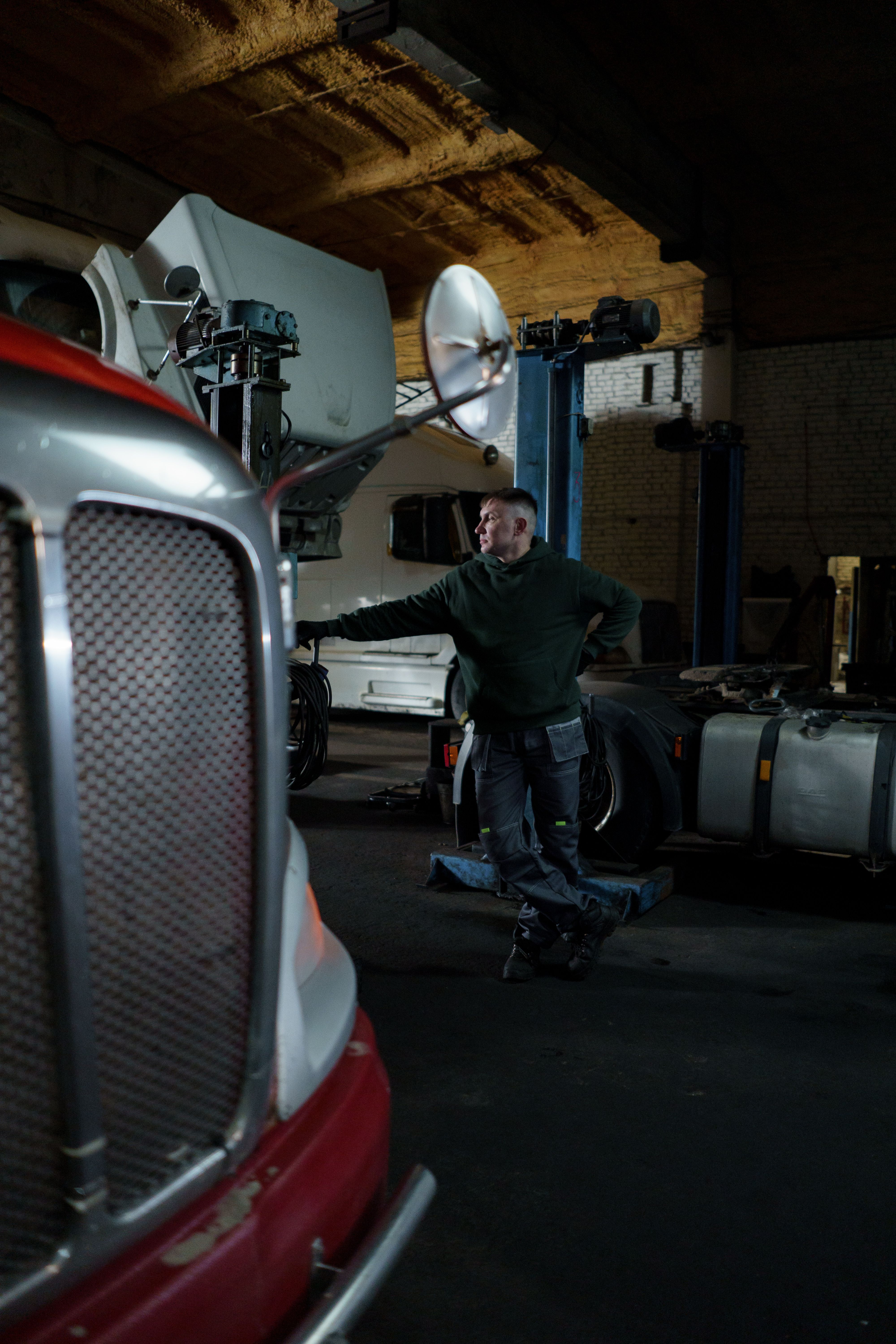
That’s the entire model behind mobile truck repair services: bring the shop to the truck instead of the other way around, and reserve towing for the failures that genuinely need a bay, a lift, or specialized equipment the van can’t carry. It’s a fairly recent shift, industry-wide. Nick Lee, writing for Fleet Maintenance in 2026, put it well: “drive through any truck stop, and you’ll spot wrapped service vans that weren’t there three years ago.” Mordor Intelligence has flagged mobile repair as the fastest-expanding fleet-service niche in the industry, projecting close to 9 percent annual growth in commercial mobile repair through 2030. The market didn’t grow that fast because it’s a novelty; it grew because it solves the actual math above.
When towing is still the right call
None of this means towing is obsolete, and I’d be lying if I said otherwise. A mobile tech showing up to a cracked frame rail, a blown head gasket, a transmission that won’t hold a gear, or a rollover is not going to fix it in a parking lot, and pretending otherwise wastes the response window you don’t have. Fleet Maintenance is blunt about where the line sits: “major engine and transmission work, heavy diagnostics, anything needing a lift, specialized tooling, or a controlled space… belongs in the bay, full stop.” If the truck needs to come apart to be fixed, it needs to go to a shop, and that means a tow.
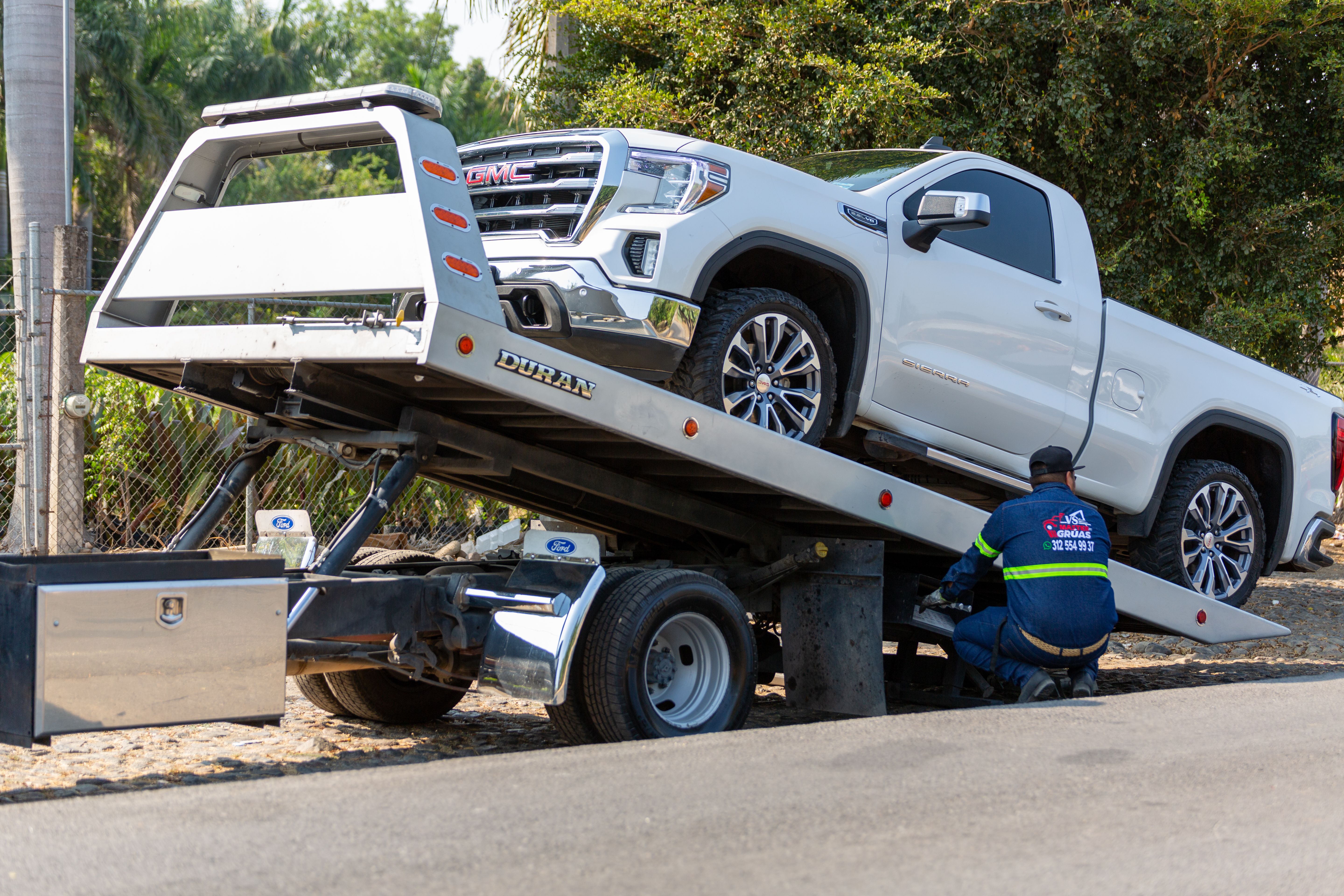
The same goes for anything involving a crash, a jackknife, cargo shift, or a hazmat spill. Those situations need recovery equipment, law enforcement coordination, and insurance documentation that a roadside repair call was never built to handle. If there’s any structural damage, a fluid leak you can’t identify, or the truck won’t hold a diagnostic connection long enough to even get a fault code, stop treating it as a mobile-repair candidate and start treating it as a tow.
The predatory towing problem nobody warns you about
This is the part of the towing conversation that gets skipped, and it’s the strongest argument for having a plan before you’re stranded rather than after. ATRI’s 2023 analysis of crash-related towing invoices found a mean pre-tax bill of $11,681.27 across 490 transcribed invoices, well above the $4,993.60 median, meaning a handful of extreme bills were dragging the average sharply upward. Nearly 30 percent of those invoices showed evidence of predatory billing, excessive equipment rates, inflated storage fees, or miscellaneous charges that didn’t hold up under scrutiny. That specific data set covers crash and recovery tows dispatched off a rotation list, not a routine mechanical breakdown, so it’s not the number to expect on a simple flat-tire tow. But it’s exactly the scenario you land in when there’s no established vendor relationship and a tow operator you’ve never dealt with is the one writing the invoice.
That risk mostly disappears the moment there’s a pre-arranged mobile provider who already knows the truck, the account, and the rate before the breakdown happens. It’s one more reason the “call whoever answers first” approach is worse than it looks on paper.
How to decide in the sixty seconds after you stop
- Can the truck be diagnosed without disassembly? If a code reader or a visual check identifies the problem, it’s very likely mobile-repair territory.
- Is there structural damage, a major fluid leak, or crash involvement? If yes, stop reading this list and call for a tow.
- Does the fix need a lift, a press, or a controlled shop environment? Engine internals, transmission work, and frame repair belong in a bay.
- How far are you from the nearest qualified shop? The farther away, the more the math tilts toward mobile, since towing cost and time both scale with distance while a mobile dispatch mostly doesn’t.
- Do you already have a mobile provider on file? If yes, that call almost always beats scrambling for an unfamiliar tow company off a highway sign.
Common questions after a breakdown
Is mobile truck repair more expensive than towing? The hourly labor rate is higher, roughly $160 versus $145 for shop work in 2025 data, but once towing fees, shop queue time, and downtime are added to a tow-and-repair path, mobile service is frequently the cheaper total outcome for the roughly 80 to 90 percent of breakdowns it can actually resolve.
How fast can a mobile mechanic actually get to me? Providers with genuine regional coverage typically respond in 60 to 90 minutes. Rural or low-density areas can push that window longer, which is worth confirming with a provider before you need one, not during.
What can’t be fixed on the roadside? Engine and transmission overhauls, major structural or frame damage, anything requiring a lift or specialized shop tooling, and any crash or hazmat-involved incident. Those need a tow, no way around it.
Does insurance treat mobile repair the same as towing? Not always. Some commercial policies cap towing reimbursement separately from roadside labor, so it’s worth checking your policy’s per-incident caps before assuming either option is fully covered.
How this article was put together
This piece drew on 2025–2026 industry cost and labor-rate data from Fullbay’s State of Heavy-Duty Repair report, ATRI’s Analysis of the Operational Costs of Trucking, ATRI’s predatory towing invoice analysis, and towing- and roadside-cost surveys from Renegade Insurance and TowingServiceHub, all checked in August 2026. Figures on downtime cost per day and average breakdown duration come from secondary fleet-cost analyses (OxMaint, Trimble-cited research) that themselves reference ATRI and FleetNet America data; treat those specific day-count and dollar-per-day figures as industry estimates rather than a single audited source. Towing and labor rates are regional and change with fuel and wage conditions, so the dollar figures here are worth rechecking against current local quotes before budgeting against them.