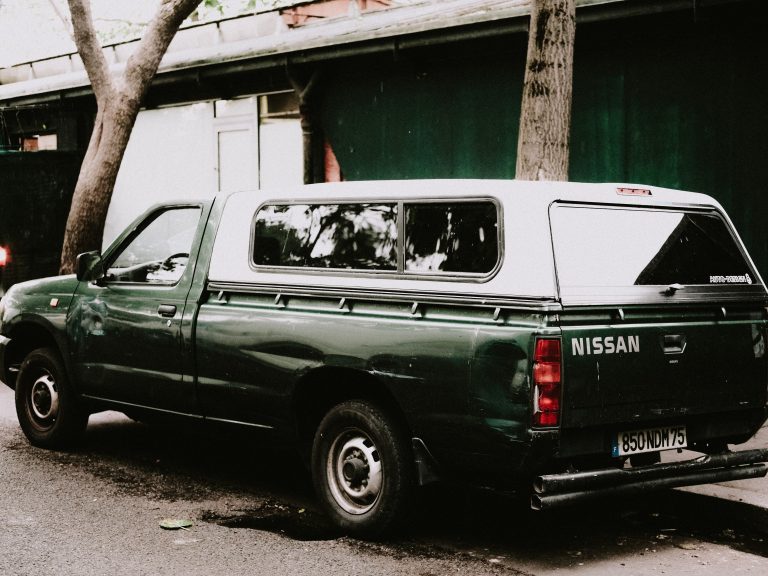
A pickup that spends five days a week hauling tools, towing trailers and traveling over damaged roads needs more than an impressive engine specification.
Owners need enough carrying capacity for daily loads, a drivetrain suited to the work and maintenance costs they can afford over several years.
The 2026 Nissan Frontier and Toyota Tacoma are two serious contenders. The Frontier offers a naturally aspirated V6, a conventional nine-speed automatic transmission and a higher maximum towing rating. The Tacoma counters with greater maximum payload capacity, an available hybrid engine producing 465 lb-ft of torque and several configurations designed for demanding off-road use.
Nissan Frontier vs. Toyota Tacoma Specifications
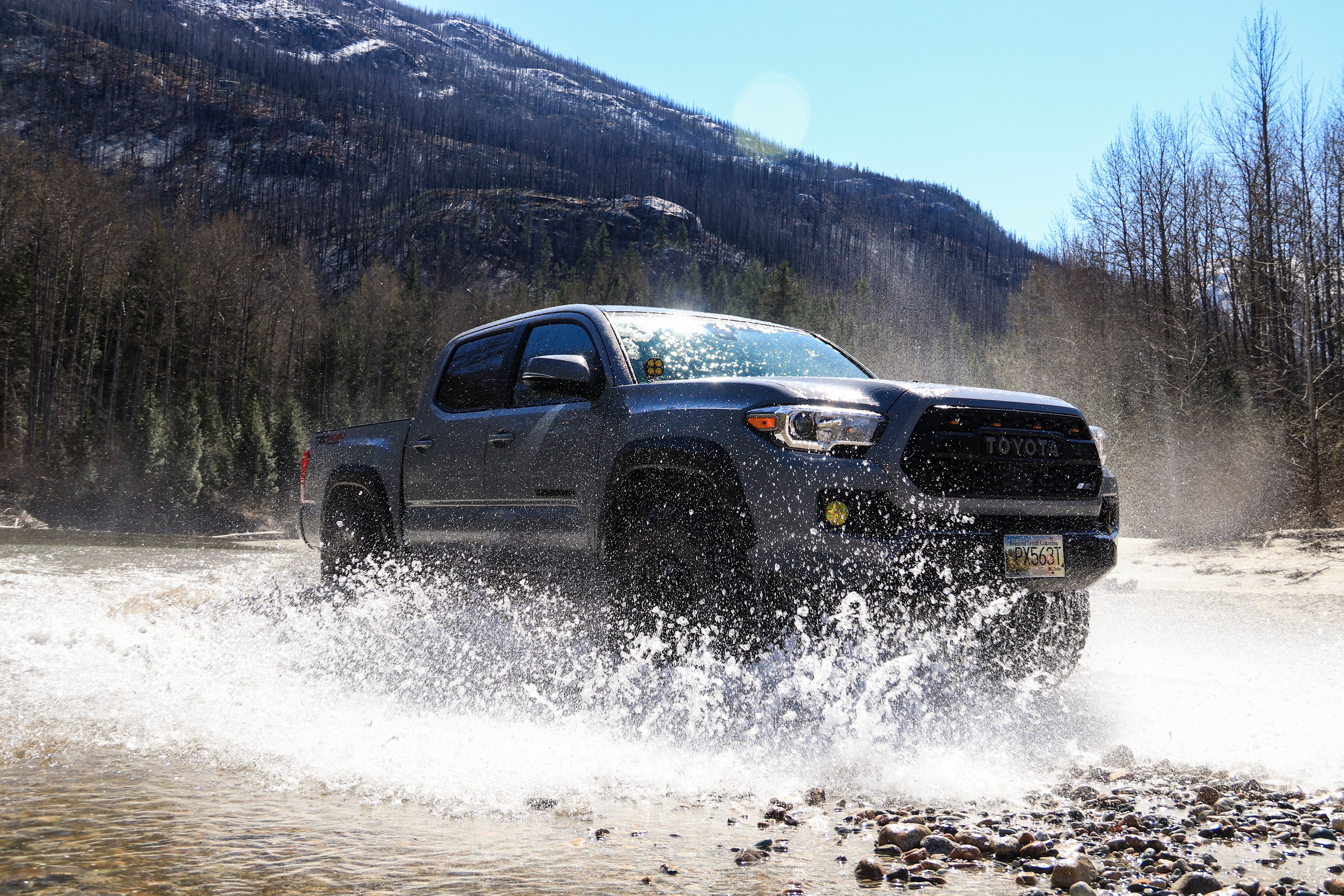
The latest US models have very different engines, although their starting prices are remarkably close. The Frontier starts at $32,150, while the Tacoma starts at $32,545.
Sources: Official 2026 Frontier specifications and 2026 Tacoma technical information. Maximum ratings apply to specific configurations. The base Tacoma SR produces 228 horsepower, while higher-output gasoline versions produce up to 278 horsepower.
The towing and payload figures cannot be combined as though they belonged to the same truck. Equipment, cab size, drivetrain and trim can change both ratings. A buyer should examine the capacity of the exact vehicle being purchased.
Engine Performance Under Heavy Loads
The Nissan Frontier Has a Conventional V6
Every 2026 Frontier uses a 3.8-liter V6 producing 310 horsepower and 281 lb-ft of torque. A nine-speed automatic transmission sends power to the rear wheels or an available four-wheel-drive system.
The engine is naturally aspirated, meaning it generates power without a turbocharger. Buyers who prefer a conventional gasoline engine may appreciate that arrangement, particularly if they plan to keep the pickup for many years.
A naturally aspirated engine does not automatically last longer than a turbocharged one. Service history, operating temperatures and maintenance are more useful indicators of long-term condition than engine layout alone.
The Frontier also produces more horsepower than the non-hybrid Tacoma. On the road, its V6 and automatic transmission provide a straightforward driving experience that suits daily transportation, equipment hauling and moderate trailer work.
The Toyota Tacoma Produces More Torque
The Tacoma uses a turbocharged 2.4-liter four-cylinder gasoline engine, available in several power configurations. Higher-output gasoline models produce 278 horsepower and 317 lb-ft of torque.
The available i-FORCE MAX hybrid increases output to 326 horsepower and 465 lb-ft of torque.
That additional torque is useful when accelerating with a load, particularly at lower engine speeds. The hybrid system combines its gasoline engine with an electric motor integrated into the transmission.
However, the hybrid does not have a higher maximum towing rating than the Frontier. More torque can improve driving response without increasing the maximum weight a vehicle is certified to tow.
For a contractor covering long distances with tools and equipment, either powertrain can handle regular use. The Tacoma hybrid is particularly appealing when the driver values low-speed torque and its available electrical power supply.
Which Truck Is Better for Towing Heavy Trailers?
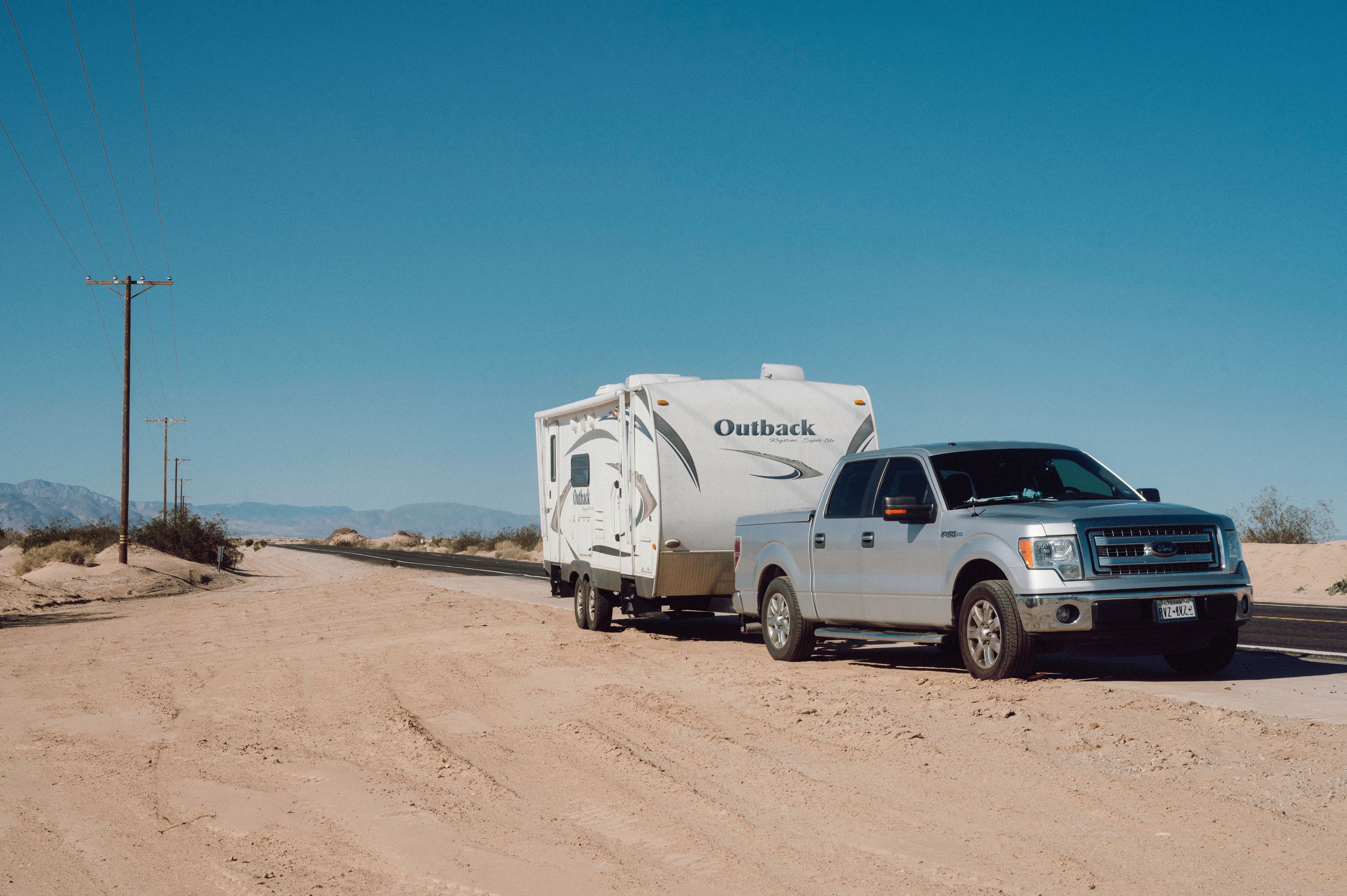
The Frontier has the numerical advantage, with a maximum towing capacity of 7,150 pounds compared with 6,500 pounds for the Tacoma.
That 650-pound gap may influence buyers towing small equipment trailers, boats or other substantial loads.
According to the Frontier towing and payload specifications, maximum towing capacity varies considerably by configuration. The King Cab S 4×2 reaches the highest published rating, while four-wheel-drive and longer-bed versions have their own limits.
Toyota offers several towing aids, including an available integrated trailer brake controller and Trailer Back Up Guide with Straight Path Assist. Those features can help when positioning a trailer or controlling its brakes.
A trailer weighing 5,500 pounds could be within the towing capacity of suitably equipped versions of both pickups. However, its tongue weight also consumes available payload.
For example, a 5,500-pound trailer applying 550 pounds of tongue weight leaves only 670 pounds of payload on a Frontier PRO-4X with a 1,220-pound payload rating. Passengers, tools and other cargo must fit within the remaining allowance.
Regularly towing near the maximum rating leaves little flexibility for heavier cargo or additional passengers. Buyers hauling substantial trailers every day should also consider larger pickups designed for higher combined loads.
Payload Capacity Is More Important Than Many Buyers Expect
Construction workers and tradespeople regularly carry equipment that is heavy even without a trailer attached. Concrete bags, generators, compressors and toolboxes can consume a large share of a midsize pickup payload allowance.
The Tacoma offers a maximum payload of 1,705 pounds, compared with 1,590 pounds for the Frontier.
A 115-pound advantage may appear modest, but payload becomes important when the truck carries workers and equipment together.
Consider a pickup carrying two adults weighing 180 pounds each, a 200-pound toolbox and 500 pounds of building materials. The combined load reaches 1,060 pounds before additional equipment is included.
A Frontier PRO-4X rated for 1,220 pounds would have only 160 pounds remaining. A Tacoma with the maximum 1,705-pound rating would retain 645 pounds, although that maximum belongs to a specific configuration rather than every Tacoma.
Buyers should inspect the payload label inside the driver-side door opening of the actual truck. Published maximum figures are not a substitute for the rating assigned to the individual vehicle.
Bed Length and Everyday Worksite Use
A pickup used for work needs enough cargo space for the equipment its owner carries regularly.
The Frontier offers a 59.5-inch bed on standard Crew Cab configurations and a 73.3-inch bed on available long-bed models. Its King Cab also uses the longer bed.
The Tacoma comes with a five-foot or six-foot bed, depending on cab and trim. Buyers can choose an XtraCab configuration that favors cargo space over additional rear passenger seating.
For example, a plumber carrying long pipes or a landscaping contractor transporting tools may prefer the longer bed. A crew transporting four workers to construction sites will probably place greater value on a four-door cab.
The Frontier offers an available Utili-track cargo system with adjustable tie-down cleats. Sliding the attachment points along the bed rails helps secure loads of different dimensions.
Toyota provides cargo management equipment and available power outlets on selected Tacoma versions. Hybrid models can offer a 2,400-watt AC power supply, useful for certain electrical devices and equipment at locations without convenient mains power.
Which Pickup Handles Rough Roads Better?
Nissan Frontier PRO-4X
The Frontier PRO-4X includes four-wheel drive, Bilstein off-road shock absorbers, an electronic locking rear differential and protective equipment designed for rough terrain.
Its suspension and traction equipment can help drivers negotiate loose gravel, uneven tracks and muddy access roads. Those features are relevant to construction supervisors, rural property owners and businesses traveling to remote sites.
The PRO-4X also has a lower payload rating than some basic Frontier configurations. Buyers planning to carry heavy cargo should consider the capacity reduction before selecting the off-road trim.
Toyota Tacoma TRD Off-Road and Trailhunter
The Tacoma TRD Off-Road includes terrain-focused equipment and offers an electronic locking rear differential. Toyota also provides Multi-Terrain Select and available Crawl Control for difficult surfaces.
More specialized versions include the Trailhunter, which features upgraded suspension components, additional protective equipment and a high-mounted air intake.
The Trailhunter is built for demanding off-road travel, but its additional equipment contributes to a considerably higher purchase price.
For regular construction-site access, a properly equipped Tacoma TRD Off-Road or Frontier PRO-4X should cover many common situations. Severe off-road routes may justify specialized equipment, but ordinary work trucks do not necessarily benefit from expensive adventure-focused accessories.
Fuel Economy and the Cost of Daily Driving
Fuel expenses become significant when a pickup travels thousands of miles each month.
The rear-wheel-drive Frontier has an EPA-estimated combined fuel economy rating of 21 mpg. Four-wheel-drive versions generally achieve lower figures, with the PRO-4X rated at 18 mpg combined.
The Tacoma offers several powertrain configurations, and some achieve higher EPA ratings than the Frontier. The hybrid system can deliver a combined rating of 23 mpg in certain versions.
Consider a driver covering 20,000 miles annually with gasoline costing $3.50 per gallon.
Illustrative calculations based on the stated annual mileage and gasoline price. Figures are rounded to the nearest dollar. Actual consumption will change with payload, towing, terrain and driving conditions.
Under those assumptions, achieving 23 mpg instead of 18 mpg saves $846 annually. Over five years, that would equal $4,230 if the mileage, fuel price and efficiency remained unchanged.
A higher purchase price can cancel out part of those savings. Buyers should compare similarly equipped trucks and calculate fuel costs using their expected annual mileage.
Maintenance and Long-Term Ownership Costs
A truck working on dusty construction sites or traveling regularly with heavy loads needs consistent maintenance. Engine oil, filters, brake components and tires all deserve attention according to the manufacturer service schedule.
The Frontier and Tacoma use different powertrains, so service requirements are not identical. The Toyota hybrid also includes electrical components that require technicians familiar with the system.
Long-term ownership planning should include several expenses that are easily overlooked.
- Scheduled maintenance. Follow the service intervals specified for the vehicle and adjust for severe operating conditions where required.
- Spare components. Access to genuine car parts is worth considering when arranging long-term maintenance for commercial pickups, particularly those operating far from established service centers.
- Tires and brakes. Heavy loads, rough surfaces and trailer use can increase wear.
- Insurance. Commercial use, annual mileage and vehicle value can influence premiums.
- Downtime. A truck undergoing repairs may leave a contractor paying for alternative transportation or delaying scheduled work.
For owners planning to keep either pickup for 150,000 miles or longer, maintenance records and repair history deserve more attention than minor differences in equipment packages.
Which Pickup Is More Reliable?
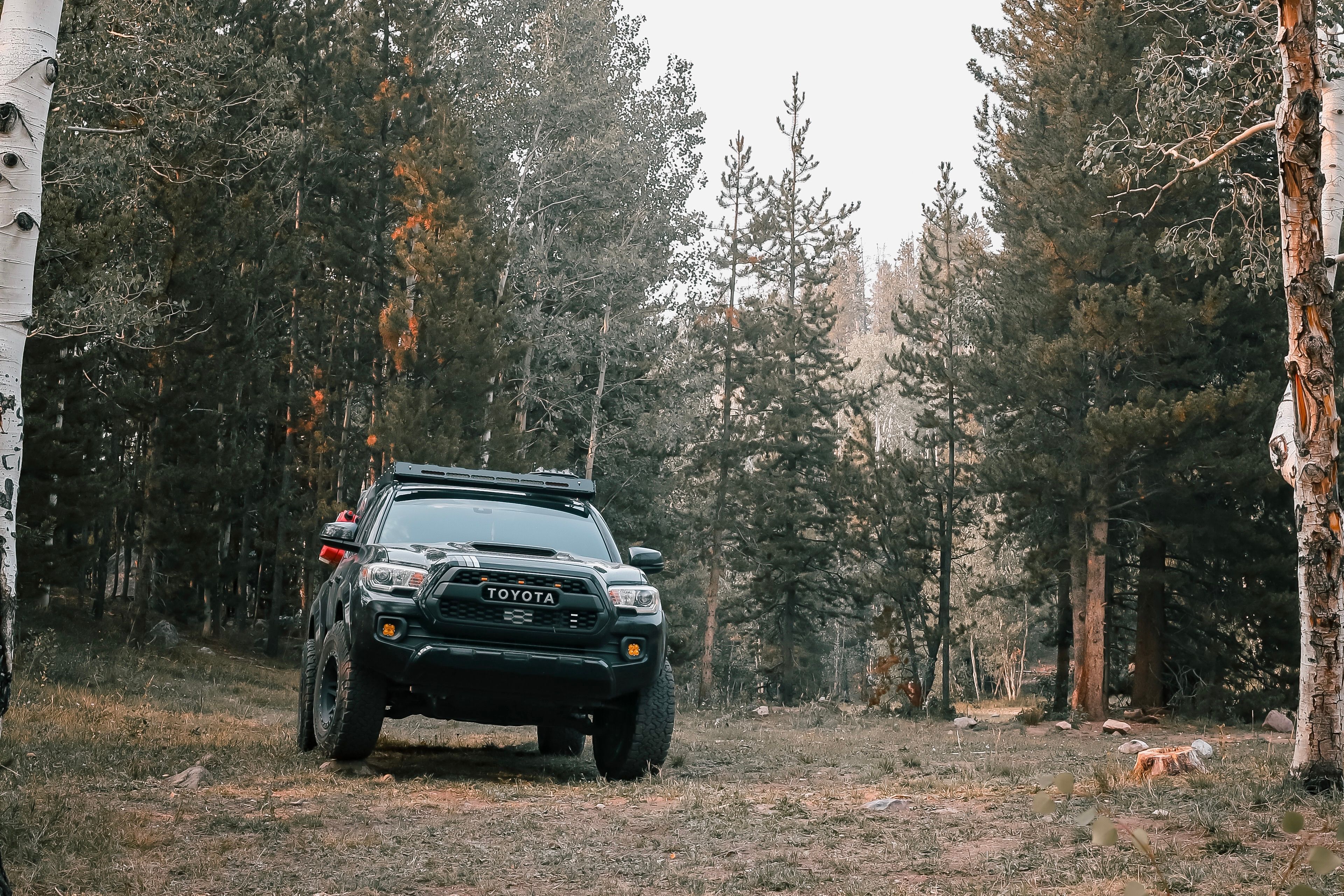
The Tacoma has a long-established reputation for durability and resale value. However, earlier Tacoma generations used different engines and transmissions, so their service histories cannot establish how the latest turbocharged and hybrid versions will perform after many years.
The Frontier uses a 3.8-liter V6 introduced before the current model year, giving buyers a longer period of owner experience with its gasoline powertrain.
Recent reliability assessments have produced interesting results. We found a recent reliability comparison, which reported J.D. Power quality and reliability scores of 87 out of 100 for the Frontier and 80 for the Tacoma.
Those scores favor Nissan, but they do not guarantee that an individual Frontier will experience fewer problems over ten years. The assessment also draws on vehicle quality and dependability data that cannot fully predict the long-term performance of every new configuration.
Buyers should examine recalls, dealer service availability and the warranty terms applicable to the exact vehicle.
Purchase Price and Resale Value
The entry-level Frontier and Tacoma cost almost the same, but pricing separates more noticeably as buyers move into specialized configurations.
Nissan offers the Frontier in S, SV, PRO-X and PRO-4X trims. Toyota provides a larger selection, including the SR, SR5, TRD Sport, TRD Off-Road, Limited, Trailhunter and TRD Pro.
Some Tacoma hybrid configurations exceed $50,000, while the TRD Pro starts above $64,000. Buyers paying for high-end suspension systems and specialized off-road accessories should consider how frequently they will use those features.
The Tacoma has historically performed well in resale comparisons, although the future value of a particular truck depends on mileage, maintenance, market demand and condition.
A business keeping its pickup for a decade may give purchase price and repair costs greater weight. An owner replacing the vehicle after four or five years may place more importance on expected resale value.
The Bottom Line
Choose the Nissan Frontier if you regularly tow moderate to heavy trailers, prefer a naturally aspirated V6 and want a capable work truck without paying for an expensive hybrid or specialized off-road package. Its maximum towing rating is higher, and the available long bed suits equipment hauling.
On the other hand, Toyota Tacoma is better option if payload capacity, available hybrid torque or specialized off-road equipment is more important to your work. The Tacoma also offers additional powertrain choices and useful equipment for contractors who need electricity at remote sites.
For a landscaping business carrying tools and occasional trailer loads, either pickup may be suitable. A construction contractor towing equipment several days each week should compare the specific towing and payload limits before deciding.
Drivers planning to haul trailers weighing 7,000 pounds or more regularly should consider a larger pickup. Tongue weight, passengers and equipment can exhaust midsize truck capacity even before the trailer reaches the advertised towing limit.